
Categories
Living in San Antonio, San Antonio HistoryPublished June 16, 2026
The San Antonio Neighborhood Nobody Talks About Anymore (That You Should)

In 1907, a real estate developer took out an ad in the San Antonio Express-News calling a stretch of land on the near north side "The Queen Suburb — the highest and most beautiful location" in the city. Lots were selling for $50 to $75. An automobile would meet you at the streetcar stop to drive you out for a look.
That neighborhood was Beacon Hill. And somewhere between then and now, it got very quiet.
A Place That Started as a Goat Pasture
The history of Beacon Hill is, at its core, a story about what happens when someone believes in a piece of land before anyone else does. The Alta Vista and Beacon Hill neighborhoods grew around the San Antonio Street Railway trolley lines that originally provided access to historic San Pedro Springs Park, and by 1890, electric trolleys were carrying passengers northward, opening up the city's first new subdivisions.
Before that, the area was essentially dismissed. San Antonio historian Donald E. Everett described the land as "a dry and barren wilderness, which sustained only mesquite brush, cat claws, chaparral, and wild Mountain Laurel" — fit for nothing, in the opinion of most San Antonio citizens at the time. When developer Jay E. Adams proposed building there, he was publicly ridiculed by several of the city's most influential civic leaders who didn't believe the land north of San Pedro Park was worth developing.
He was right. They were wrong. Suburbs throughout San Antonio enjoyed a building boom in the spring of 1901, but Laurel Heights exceeded them all in popularity, opening the door to everything that followed — including Beacon Hill itself. You can read the full history at beaconhillsanantonio.org.
The Queen Suburb
Beacon Hill Addition was platted in 1908 by Nicholson, Furnish, and Smith, who advertised it as a 203-acre tract sufficient for 500 homes and a population of 5,000 prosperous owners. The ads were ambitious even by today's standards. They promised something for everyone — larger lots for established families, more affordable tracts for, as one 1907 ad put it, "the man of limited means."
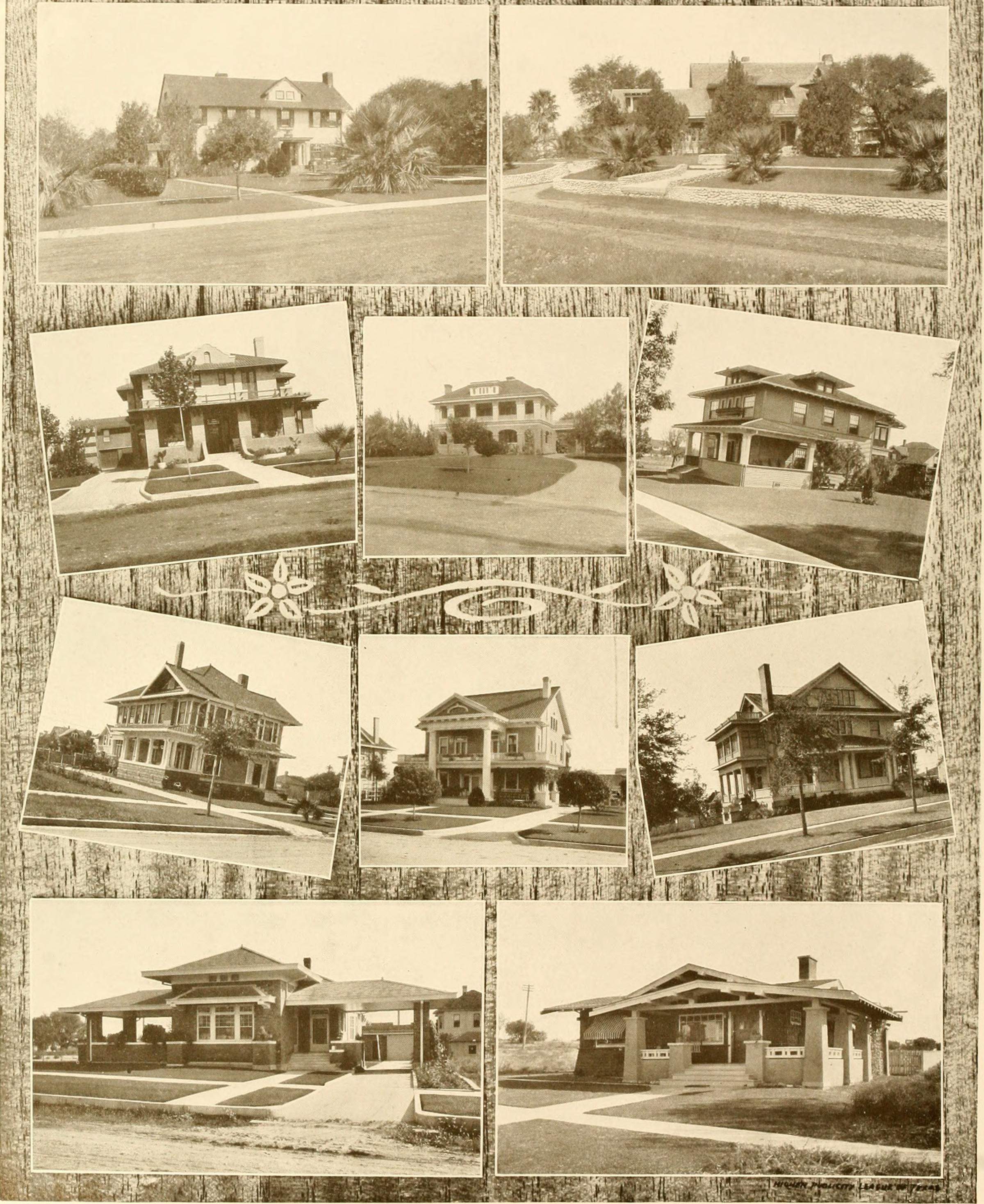
What they built was a genuine neighborhood, the kind that takes decades to make. Many of the city's most prominent citizens were the first to move in, their homes designed by some of San Antonio's most respected architects. The MidTown business district grew up along Blanco Road to serve them — four grocery stores, two drug stores with soda fountains, a five and dime, a bakery, a shoe repair shop, and Casbeer's Place. An entire self-contained world within a few blocks.
For about forty years, Beacon Hill was exactly what it was advertised to be.
What Happened After
The mid-century happened, which is the same thing that happened to a lot of great older neighborhoods across America. The highways opened up fresh frontiers as new suburbs were built along Loop 410, and people began to move out. Regional malls replaced neighborhood business districts, and the mom-and-pop shops along Blanco Road couldn't compete.
Beacon Hill didn't disappear. It just got overlooked, the way quiet places tend to when louder ones are getting all the attention. While the conversation about San Antonio real estate shifted north — Stone Oak, the 1604 corridor, the suburbs pushing toward Boerne — Beacon Hill sat close to downtown with its craftsman bungalows intact, its tree canopy mature, and its streets scaled for people rather than cars.
What's Still There
The homes are the obvious draw. Craftsman bungalows with their wide covered porches, tapered columns, and original woodwork — the kind of architectural detail that gets replicated endlessly in new construction and never quite lands the same way. These are the real thing, built in an era when builders were showing off, not cutting corners.
But the thing that surprises people when they actually spend time in Beacon Hill isn't the architecture. It's that neighbors know each other. Front porches get used. People wave. There's a neighborhood association that has been paying attention to this place for years, invested in its history and its future. That kind of community cohesion doesn't appear on a listing sheet, but anyone who's lived somewhere without it knows exactly what it's worth.
Why It Doesn't Come Up More
Partly it's proximity. Beacon Hill sits in the shadow of neighborhoods that have gotten more press — Tobin Hill to the east, Monte Vista to the north. When people talk about the near north side, they usually mean one of those. Beacon Hill tends to get skipped over, which has kept it more affordable than its location and character would otherwise suggest.
That gap won't last forever. It never does. A revitalization movement began stirring in the mid-1990s, and the trajectory since has been steady if unspectacular — the kind of slow, patient appreciation that doesn't generate headlines but rewards the people paying attention.
If you're looking for a neighborhood where the homes have genuine history, the streets have real scale, and the people who live there actually know their neighbors, Beacon Hill is worth the drive out to look. The automobile will not be meeting you at the streetcar stop, but the neighborhood will hold up on its own.

Ana Warmke
Team Lead / Broker-Associate | Warmke Real Estate Group | Keller Williams Heritage
or another way